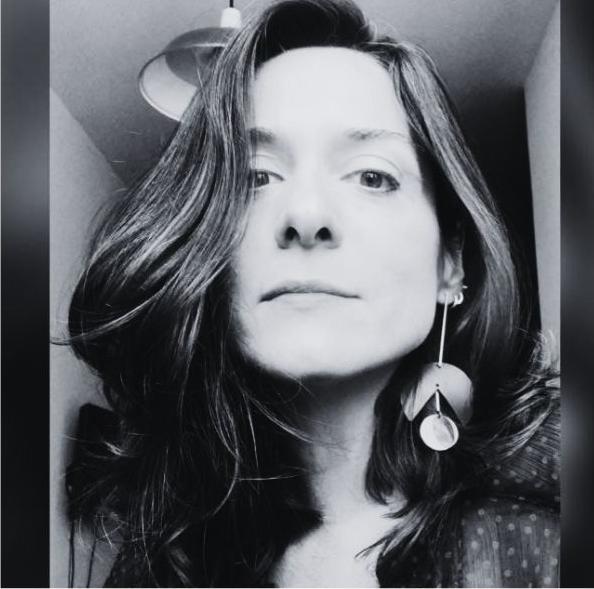
Fernanda Mendes Lages Ribeiro

Psychologist (UFF), PhD and Postdoctoral researcher in Public Health at the Sergio Arouca National School of Public Health / Oswaldo Cruz Foundation (ENSP/Fiocruz), and MSc in Public Policy and Human Development (PPFH/UERJ). She is a researcher and collaborating professor at the Jorge Careli Center for Violence and Health Studies, Sergio Arouca National School of Public Health (CLAVES/ENSP), and a professor at the Department of Psychology of the Pontifical Catholic University of Rio de Janeiro (PUC-Rio).

She collaborates in graduate programs (Stricto Sensu) and specialization courses in Public Health at ENSP, as well as in Stricto Sensu graduate programs at PUC-Rio. She is also part of the collegiate coordination of the Intersectoral Articulation Program on Violence and Health at Fiocruz.

Her research interests include social psychology, collective health, violence and health, public policies, armed violence, mental health, racism, and community social psychology.
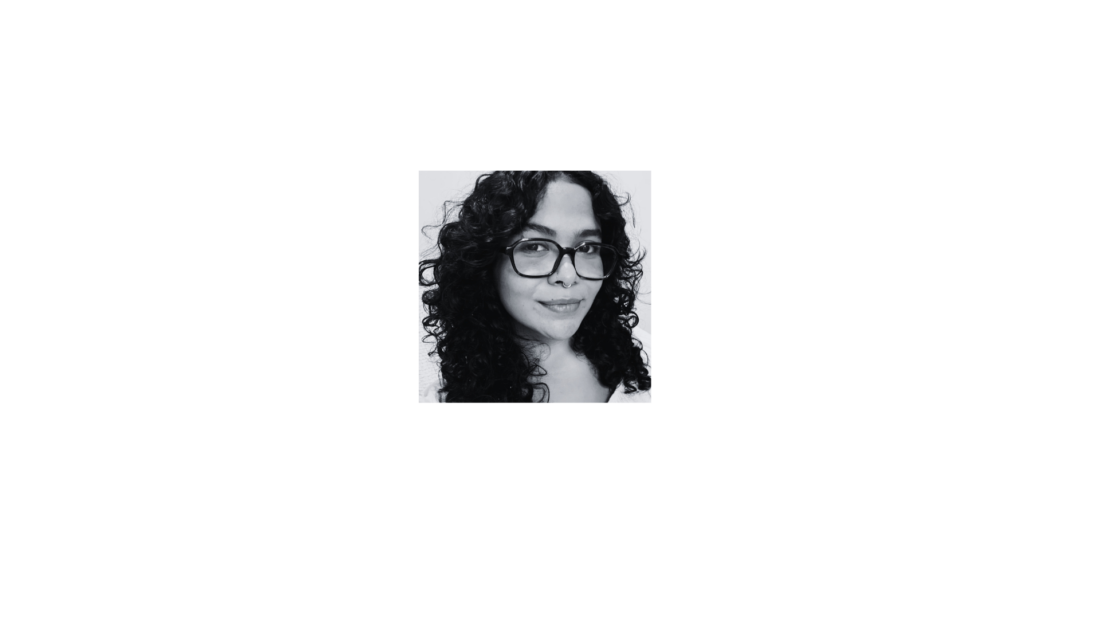
Giulia Neves

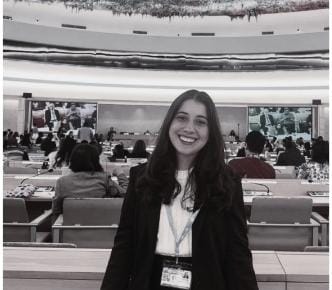
Research Assistant at the BRICS Policy Center’s Socio-Environmental Platform. She is pursuing a master’s degree in International Relations at the Pontifical Catholic University of Rio de Janeiro (PUC-Rio) and holds a bachelor’s degree in International Relations from the São Paulo State University “Júlio de Mesquita Filho” (UNESP). She is dedicated to research on the political ecology of the Global South; climate governance; and development alternatives


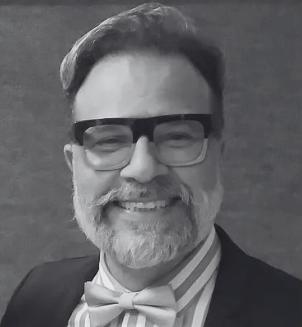
Marcello Cappucci Frisoni

PhD at the Institute of International Relations at Pontifícia Universidade Católica do Rio de Janeiro (admitted in 2022), holds a Master’s degree in International Relations from the same institute (2000). Graduated in Law in Universidade Federal Fluminense (1994) and a Bachelor’s degree in Economics from Universidade do Estado do Rio de Janeiro (1993).

Since 2014, he has been teaching at IRI/PUC-Rio and, since 2025, collaborates as a researcher at the BRICS Policy Center, working on cultural property restitution. His research interests focus on the role of mega-museums in the Arab Gulf. Since 2017, he has coordinated the extracurricular project Circuito Cultural no Centro da Cidade. He also works as a content developer and reviewer for SAGAH/Grupo A Educação and occasionally teaches in the exchange program at the University of Arkansas and at the Council on International Educational Exchange (CIEE) – Rio.


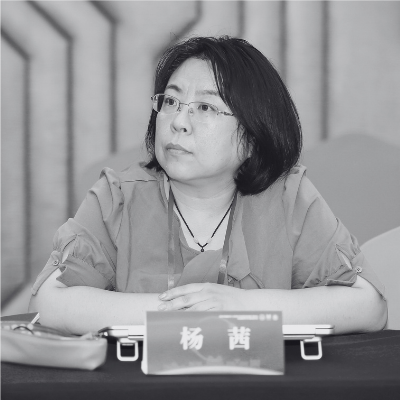
Yang Qian

Yang Qian is a Lecturer in the School of Economics at Hebei University and a Researcher at the university’s Center for Latin America Studies. She holds a Ph.D. in World Economy from the Latin America Institute, Chinese Academy of Social Sciences, and an M.A. in World Economy from Hebei University. Her research focuses on monetary and financial policies in Latin America, regional and country-specific studies, cross-border RMB settlement, and China-Latin America financial cooperation. She serves as a Council Member of the Chinese Association of Latin American Studies.
At Hebei University, she teaches undergraduate and graduate courses including International Finance, Financial Statistics, Macroeconomic Theory and Policy, and Advanced Development Economics. She has received the Teaching Innovation Excellence Award from Hebei University (2021). Dr. Yang has led several research projects, including a Ministry of Education program on cross-border RMB settlement and financial cooperation between China and Latin America, and a Hebei Provincial Social Sciences Fund project on international capacity cooperation with Latin American countries. Her publications include co-authored books such as International Finance and Global Capital City Clusters and Coordinated Development of Beijing-Tianjin-Hebei, as well as journal articles in both Chinese and Spanish.


Bianca Carvalho

Master’s degree in Global Health from the Geneva Graduate Institute and a Bachelor’s degree in International Relations from PUC-Rio. She is a member of the Youth Council of the World Health Organization, serving as co-director of the Planetary Health working group and as a writer for Geneva Health Files. She has experience in advocacy, having worked at the Drugs for Neglected Diseases Initiative (DNDi) and the South Centre. Her research and professional agenda focuses on global health governance, access to medicines, intellectual property, and the intersections between climate change and health.


Heitor Erthal

Researcher in the field of International Relations, with a PhD from the San Tiago Dantas Graduate Program in International Relations (Unesp, Unicamp, PUC-SP). His research topics include Global Health, International Cooperation, and Foreign Policy Analysis.


Carolina Salgado

Professor at IRI/PUC-Rio. Holds a PhD in International Relations from PUC-Rio, including four years of research in Germany (GIGA-Hamburg), and a Master’s degree in International Relations from UERJ. She completed two postdoctoral fellowships: the first in international cooperation with funding from CNPq (2019–2020), and the second in the History of Science and Health at Fiocruz (2021–2022). She is Coordinator of Foreign Policy Analysis at the Brazilian International Relations Association (2023–2027). Her research and publication areas include global and collective health, foreign policy of international organizations, extremism, and new right-wing movements in Europe and Latin America.


Alexandre dos Santos

Journalist, master’s degree holder, and doctoral candidate in International Relations, he has been a professor at the Institute of International Relations (IRI) at PUC-Rio since 2006 and is one of the coordinators of Lepecad (Laboratory for Interdisciplinary Studies and Research on the African Continent and the African Diaspora) at PUC-Rio.

He is responsible for the YouTube channel “#ConexãoÁfrica/África em Livros” and the reading club “África em Livros,” dedicated exclusively to works published by African authors. A specialist in the history and geopolitics of the African continent, he is one of the authors of the book “África no mundo contemporâneo” (Africa in the Contemporary World) (Garamond, 2014).

Lattes   –   Instagram: @alsantos72 and @africa_em_livros


Caroline Assis

PhD candidate in International Relations at the Pontifical Catholic University of Rio de Janeiro (PUC-Rio) (2023) with a thesis related to Chinese involvement in the energy transition in Brazil and South Africa. Master’s degree in Political Science and bachelor’s degree in International Relations from the Federal University of Rio Grande do Sul (UFRGS) (2012-2019). She worked as a research assistant in the Department of International Relations (Dinte) at the Institute of Applied Economic Research (Ipea) (2020-2022). She is currently interested in topics related to international political economy, international relations between the BRICS countries, and energy transition in Africa and Latin America.